
Understanding The Risks Behind Adventure Activities
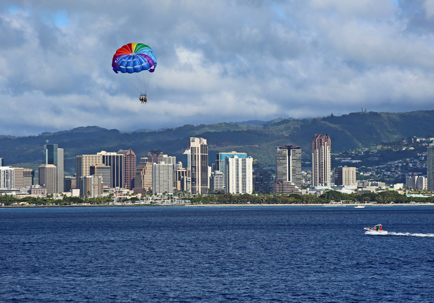
Hawaii’s natural beauty draws visitors from around the world, many of whom seek unforgettable experiences in the air and ocean. While these activities offer breathtaking views and excitement, they also carry significant risks that can result in life-altering injuries in an instant.
When accidents occur during these excursions, the consequences are often severe and require immediate and long-term care, including:
- Traumatic Brain Injuries. Sudden impacts during crashes or falls can cause concussions or more severe brain injuries that affect memory, cognition, and personality.
- Spinal Cord Damage. High-impact incidents may result in partial or complete paralysis, requiring extensive medical intervention and lifestyle adjustments.
- Drowning-Related Complications. Near-drowning events can deprive the brain of oxygen, leading to permanent neurological damage.
- Multiple Trauma Injuries. Victims often suffer fractures, internal injuries, and soft tissue damage alongside brain or spinal injuries.
These serious outcomes highlight the importance of understanding both the risks involved and the legal protections available when something goes wrong.
Common Causes of High-Altitude & Ocean Accidents
Accidents involving recreational and tourism-based activities are often preventable and may stem from negligence, equipment failure, or inadequate safety protocols. Identifying the cause is a critical step in determining liability.
Some common accidents in the Honolulu region include:
- Parasailing Equipment Failures. Faulty harnesses, worn towlines, or improper maintenance can lead to dangerous mid-air detachments or uncontrolled descents.
- Tour Helicopter Crashes. Mechanical issues, pilot error, or flying in unsafe weather conditions can result in devastating crashes.
- Diving & Snorkeling Accidents. Improper supervision, lack of warnings about reef hazards, or defective gear can cause spinal injuries or head trauma.
- Inadequate Safety Training. Operators who fail to properly instruct participants increase the likelihood of preventable accidents.
Understanding how these incidents occur can help injured individuals build a stronger claim and hold responsible parties accountable.
Are Liability Waivers Always Enforceable in Hawaii
Many tourists sign liability waivers before participating in adventure activities, often without fully reading or understanding the terms. While these documents are designed to limit a company’s legal exposure, they are not always absolute.
Hawaii law places limits on how and when waivers can be enforced, particularly when negligence is involved.
The following considerations may impact validity:
- Gross Negligence or Recklessness. Waivers typically do not protect companies that act with extreme disregard for safety or fail to follow basic industry standards.
- Unclear or Misleading Language. Agreements that are overly vague or confusing may not hold up in court.
- Failure to Disclose Known Risks. If a company does not properly inform participants of specific dangers, the waiver may be challenged.
- Public Policy Limitations. Courts may refuse to enforce waivers that unfairly shift all responsibility onto consumers in inherently dangerous situations.
These legal nuances mean that even if a waiver was signed, injured individuals may still have the right to pursue compensation.
The Long-Term Impact of TBIs & Spinal Cord Injuries
Traumatic brain injuries and spinal cord damage often require lifelong care and can dramatically alter a person’s ability to work, communicate, and live independently. The financial and emotional toll can be overwhelming without proper legal support.
When evaluating the full impact of these injuries, it is important to consider the following long-term effects that must be accounted for in a claim:
- Ongoing Medical Treatment. Victims may need surgeries, medications, and regular specialist care for years or even decades.
- Rehabilitation & Therapy Needs. Physical, occupational, and cognitive therapies are essential for maximizing recovery and independence.
- Assistive Technology & Modifications. Wheelchairs, communication devices, and home modifications can become necessary for daily living.
- Loss of Income & Future Opportunities. Many individuals are unable to return to their previous careers, affecting long-term financial stability.
Properly valuing these damages is essential to ensure that victims are not left without the resources they need.
Protecting Your Rights After a Serious Accident
Navigating a claim involving a catastrophic injury can be complex, especially when liability waivers and multiple parties are involved. Taking the right steps early on can make a meaningful difference in the outcome of your case.
If you or a loved one has suffered a traumatic brain injury or spinal cord injury in a catastrophic high-altitude or ocean-related accident, Law Office of Jon S. Jacobs, LLLC can help you understand your legal options and pursue the compensation you deserve.
Call (808) 736-0020 or contact us online to speak with a team that is committed to protecting your future.