
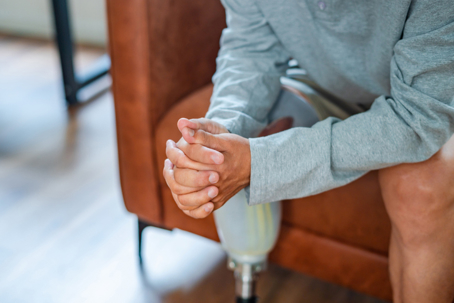
Understanding the Long-Term Impact of Amputation Injuries
An amputation injury changes every aspect of a person’s life, often in ways that are difficult to fully grasp in the immediate aftermath of an accident. Beyond the initial trauma, victims face a lifetime of physical, emotional, and financial adjustments that must be carefully considered when pursuing a personal injury claim.
When evaluating the true scope of an amputation injury, compensation tends to extend far beyond short-term medical care.
You should account for:
- Lifelong Medical Needs. An amputation injury requires ongoing treatment, including surgeries, follow-up care, and monitoring for complications such as infections or nerve damage.
- Prosthetics & Adaptive Equipment. Modern prosthetics can significantly improve mobility, but they require replacement, maintenance, and customization over time as technology evolves and the body changes.
- Rehabilitation & Therapy. Physical and occupational therapy play a crucial role in helping individuals regain independence and adapt to new ways of performing daily tasks.
- Emotional & Psychological Support. Many individuals experience anxiety, depression, or post-traumatic stress, making mental health care an essential part of recovery.
Recognizing these long-term challenges is critical when building a strong claim that truly reflects the lifelong consequences of a serious injury.
Common Types Of Amputations Seen In Honolulu Injury Cases
Catastrophic accidents in Honolulu, whether on the road, at work, or in the ocean, can lead to severe trauma that necessitates amputation. The type of amputation often depends on the nature of the accident, the extent of the injury, and the ability to preserve surrounding tissue. Understanding these distinctions can help illustrate the seriousness of these cases and the level of care required moving forward.
When evaluating amputation injuries in local personal injury claims, several types are more commonly encountered, including:
- Lower Limb Amputations. These injuries often involve the loss of a foot, below-the-knee, or above-the-knee amputation, which can result from high-speed car accidents or motorcycle collisions on roads like H-1 or the Pali Highway.
- Upper Limb Amputations. The loss of a hand, wrist, or arm is frequently associated with workplace accidents, machinery incidents, or maritime injuries on Honolulu’s docks.
- Partial Amputations. In some cases, only a portion of a limb, such as a finger or toe, is severed, which still significantly impacts dexterity and daily function.
- Traumatic Amputations. These occur at the scene of an accident due to extreme force, such as crush injuries or severe lacerations, and often require emergency medical intervention.
Each type of amputation carries unique challenges, from mobility limitations to the need for specialized prosthetics and long-term rehabilitation. Properly identifying the nature of the injury is an essential step in building a claim that accounts for both immediate and lifelong needs.
Hawaii Law & Loss of Limb Statutes
Hawaii personal injury law acknowledges the profound impact of catastrophic injuries such as amputations. While there is no simple formula for determining compensation, “loss of limb” considerations play a significant role in how damages are calculated and negotiated.
To better understand how these cases are approached under Hawaii law, consider the following factors that often influence outcomes:
- Permanent Disability Considerations. Courts and insurers recognize that an amputation results in permanent impairment, which affects a person’s ability to work and live independently.
- Loss of Earning Capacity. Compensation often accounts for reduced ability to earn income, especially if the injury prevents a return to a previous occupation.
- Pain & Suffering Damages. The physical pain and emotional toll of losing a limb are substantial and must be reflected in any settlement or verdict.
- Impact on Quality of Life. The inability to participate in hobbies, family activities, or daily routines is a key element in determining damages.
These legal considerations help ensure that injury victims are not left to bear the burden of another person’s negligence.
Accounting For Lifetime Costs in a Settlement
One of the most important aspects of an amputation claim is ensuring that any settlement reflects the true cost of living with the injury over time. A quick resolution may seem appealing, but it can leave victims without the resources they need years down the line.
A comprehensive settlement strategy should take into account a wide range of future expenses, including:
- Future Medical Care. Ongoing doctor visits, surgeries, and specialized treatments must be projected and included in the claim.
- Prosthetic Replacement Cycles. Prosthetic limbs typically need replacement every few years, making this a recurring and significant expense.
- Home & Vehicle Modifications. Many individuals require changes to their living spaces or vehicles to maintain independence and mobility.
- Long-Term Rehabilitation Costs. Continued therapy and support services are often necessary to maintain physical function and adapt to changing needs.
By carefully evaluating these factors, victims can pursue compensation that provides stability and security well into the future.
Navigating Rehabilitation Resources in Hawaii
Honolulu and the broader Hawaiian Islands offer a range of rehabilitation services, but accessing and coordinating care can still be challenging for injury victims and their families. Understanding what resources are available can make a meaningful difference in recovery outcomes.
When exploring rehabilitation options in Hawaii, it is helpful to consider the following elements that support long-term recovery:
- Specialized Rehabilitation Centers. Facilities focused on amputation recovery can offer tailored therapy programs and advanced prosthetic training.
- Community Support Networks. Local organizations and support groups offer guidance, shared experiences, and emotional encouragement.
- Access to Skilled Medical Professionals. Working with experienced surgeons, therapists, and prosthetists ensures a higher quality of care.
- Continuity of Care Across Islands. Coordinating treatment across different locations may be necessary, particularly for residents outside of Oahu.
Taking advantage of these resources can help individuals rebuild their lives with greater confidence and independence.
Moving Forward with the Right Legal Support
Pursuing an amputation injury claim is not just about recovering compensation, but about securing the resources needed to move forward with dignity and stability. With so many factors to consider, having experienced legal guidance can make a significant difference in the outcome of a case.
If you or a loved one is facing the challenges of a catastrophic injury, the legal team at Law Office of Jon S. Jacobs, LLLC is prepared to help you pursue full and fair compensation for your losses.
Call (808) 736-0020 or contact us online to discuss your situation and learn how we can support your path forward.